Flooring Durability: What Property Managers Should Look For
Protecting the Long-Term Asset While a developer builds the property, it is the property manager who has to live with the flooring choices for years to come. In the world of multifamily management, “durability” isn’t just a marketing buzzword—it’s a financial strategy. The difference between a high-performance floor and a budget-grade alternative is often the difference between a profitable quarter and one spent on unexpected repairs and high-cost unit turnovers. When evaluating flooring, managers must look beyond the surface aesthetic and investigate the engineering that protects the building’s bottom line.
The Core of the Matter:
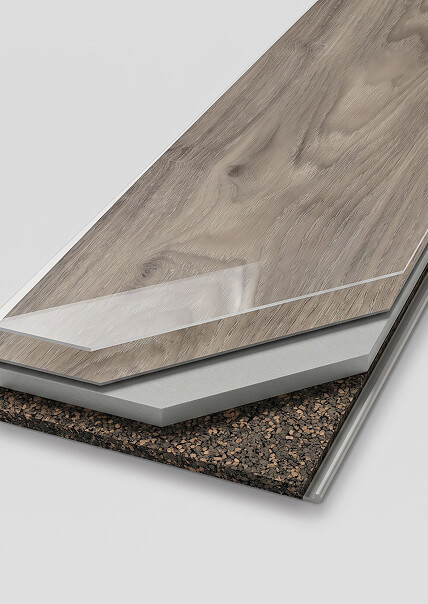
Why 100% Virgin PVC Wins True durability starts with the foundation of the plank. Property managers should prioritize flooring with a 100% virgin PVC core. Many lower-tier products utilize recycled fillers that can be unstable, leading to “telegraphing”—where imperfections in the subfloor show through the surface—or structural failure when temperatures fluctuate. A virgin PVC core provides the dimensional stability required for long-term performance, ensuring that the floor remains flat and secure even in varied climates or high-humidity environments.
The Science of Surface Protection:
Ceramic-Bead Finishes In high-traffic environments like corridors, lobbies, and amenity spaces, the top layer is the first line of defense. Property managers should look for finishes that go beyond a standard urethane coating. Surface Edge products, for instance, utilize ceramic-bead finishes to provide superior protection against the scuffs, scratches, and micro-abrasions common in multifamily living. This technology extends the floor’s aesthetic life, meaning it won’t look “worn out” after just a few years of resident move-ins and move-outs.
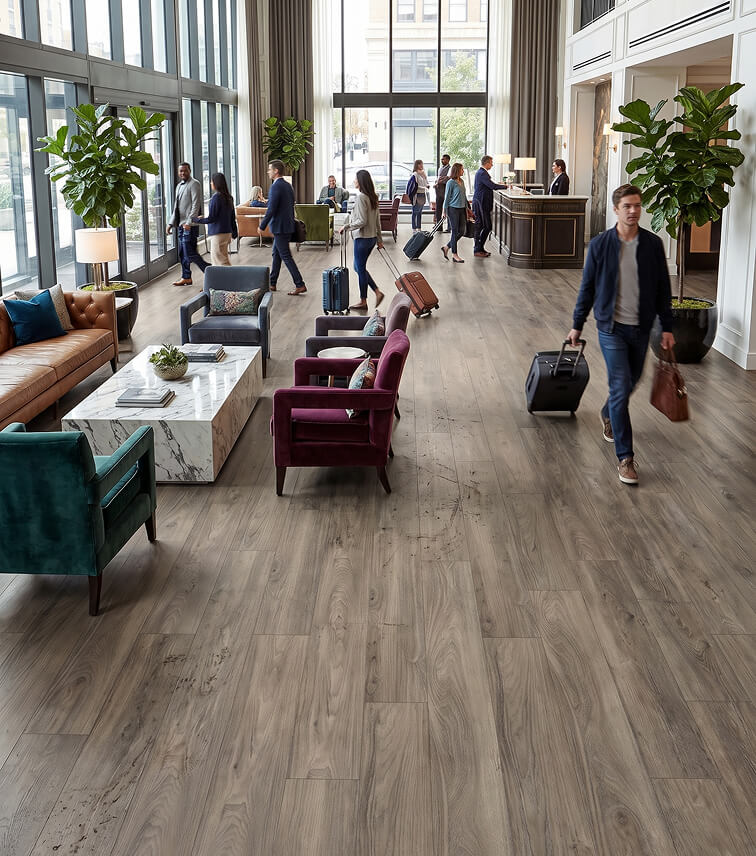
Waterproof Reliability vs. Moisture Resistance Spills, pet accidents, and plumbing leaks are an inevitable part of property management. While many products claim to be “water-resistant,” managers should insist on 100% waterproof solutions like the Elevate or Next Wood XL lines. This distinction is critical; waterproof flooring prevents moisture from seeping through the joints and reaching the subfloor. By stopping moisture at the surface, you prevent the structural rot and costly mold remediation that can occur when liquids are trapped beneath a non-waterproof floor.
The Impact of Wear Layers on Unit Turnover The thickness of the wear layer is a direct indicator of how many “lives” a floor has. For commercial and multifamily applications, a 12 mil wear layer is the gold standard for balancing cost and performance. A robust wear layer ensures that the printed design of the wood or stone is protected from heavy furniture being dragged during turnovers or the constant friction of pet claws. For a property manager, this means fewer floor replacements between tenants, directly improving the property’s yield.
Total Cost Analysis:
Thinking Beyond the Initial Price A common pitfall is choosing flooring based solely on the upfront “price per square foot”. Experienced property managers utilize a Total Cost Analysis, which factors in the product’s lifecycle, maintenance requirements, and installation speed. A floor that is easy to clean and requires no specialized waxes or treatments reduces labor costs for the maintenance staff. When you choose a floor that lasts 10-15 years instead of five, the long-term savings in material and labor far outweigh the initial investment.
Safety, Compliance, and Warranty Peace of Mind
Beyond physical durability, a floor must be “durable” in its compliance. Ensuring that products meet FloorScore® and GREENGUARD Gold standards means the flooring will not off-gas harmful chemicals over time, protecting resident health and reducing liability. Furthermore, property managers should look for robust warranties, such as Surface Edge’s lifetime structural and residential warranties, which act as a risk-mitigation tool for the property owner.
Total Cost Analysis:
Thinking Beyond the Initial Price A common pitfall is choosing flooring based solely on the upfront “price per square foot”. Experienced property managers utilize a Total Cost Analysis, which factors in the product’s lifecycle, maintenance requirements, and installation speed. A floor that is easy to clean and requires no specialized waxes or treatments reduces labor costs for the maintenance staff. When you choose a floor that lasts 10-15 years instead of five, the long-term savings in material and labor far outweigh the initial investment.