
Five Factors to Consider Before Comparing Flooring Prices
When planning flooring for a multifamily building, price is often the first consideration. Across multiple units, shared spaces, and a project-wide budget, even small differences in material costs can influence the investment.
However, comparing flooring prices alone does not tell the whole story. Two products may look similar and have comparable price points, yet perform very differently after installation. Understanding the factors behind overall value helps developers, property managers, and architects make informed decisions.
Before choosing the lowest-priced quote, use these five considerations when comparing flooring prices for your development.
Product Durability
Product samples can make a strong first impression, but they do not provide a complete picture of long-term performance. Multifamily buildings need durable flooring that can handle foot traffic, everyday wear, furniture movement, and the demands of occupied spaces.
When comparing flooring prices, review product construction, wear layers, abrasion resistance, and available performance information. A lower initial price may lose its advantage if a floor needs frequent repair or replacement.
Look Beyond the Sample
Ask for documentation for the exact product and configuration under consideration. Compare how each option is designed to perform in the spaces where it will be installed.
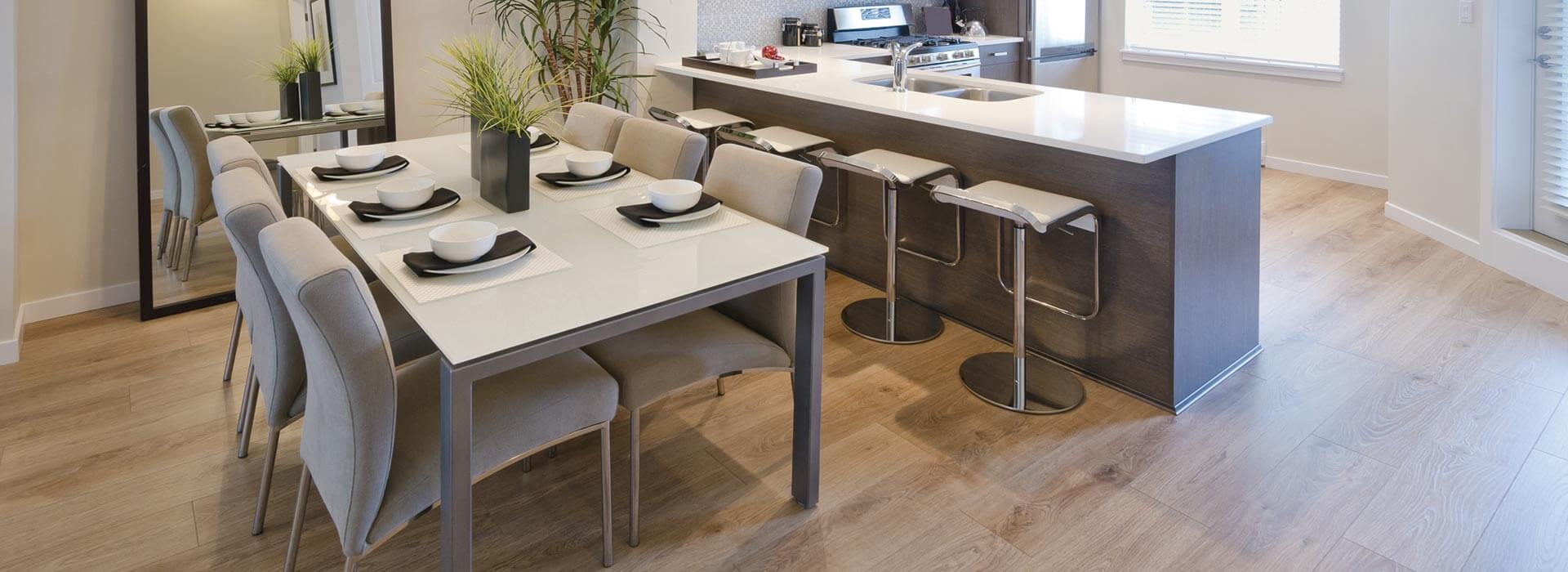
Wear Layer
Review the specified wear layer and product construction.
Wear Resistance
Compare abrasion resistance and intended applications.
Long-Term Use
Consider repair and replacement needs over time.
Installation Requirements and Labor Costs
When comparing flooring prices, remember that material cost is only one component of the flooring budget. Installation methods, adhesive requirements, subfloor preparation, labor, and scheduling can change the overall project cost.
Confirm whether the exact product supports glue-down or floating installation, where applicable, and review the manufacturer’s approved installation instructions. A higher-priced material may sometimes offset part of its cost through installation efficiencies, but that should be confirmed with the project installer rather than assumed.
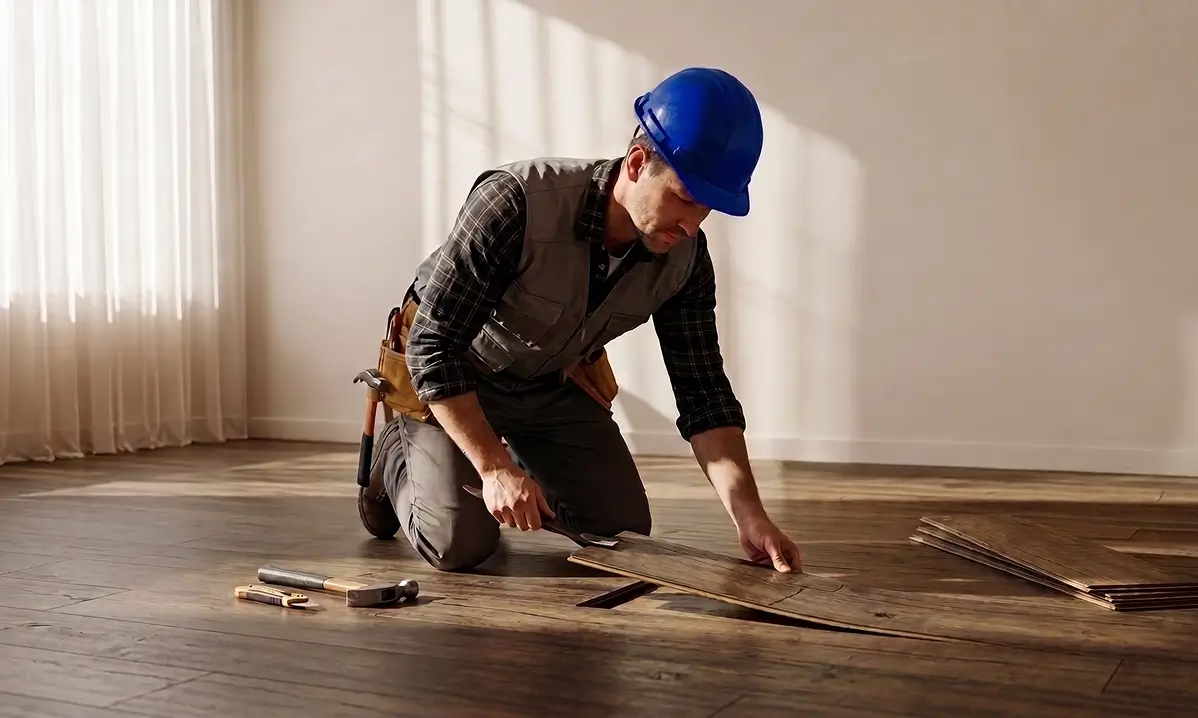
Evaluate the Full Installation Scope
Use the same project conditions and labor assumptions when requesting installation estimates for competing products.
Installation Method
Confirm the approved installation system.
Subfloor Preparation
Identify preparation and moisture-related requirements.
Labor & Schedule
Compare estimated labor time and project sequencing.
| Factor to compare | What to verify | Why it matters |
|---|---|---|
| Installation system | Approved glue-down, floating, or other method | May affect labor, accessories, and sequencing |
| Adhesives and accessories | Specified materials and quantities | Adds to installed cost beyond flooring alone |
| Subfloor preparation | Flatness, moisture, and preparation requirements | Can significantly influence scope and schedule |
| Labor and timeline | Installer estimates using consistent assumptions | Makes competing proposals more comparable |
Maintenance and Ownership Costs
When comparing flooring prices, consider what happens after residents move in: ongoing care becomes part of the ownership cost. Cleaning routines, manufacturer maintenance instructions, and localized repair options can differ from one flooring product to another.
This is especially important in high-traffic common areas and rental units with frequent turnover. Consider what will be required to preserve appearance and functionality over the expected service life, not simply what the product costs on installation day.
Plan for Daily Operations
Discuss care requirements with the property management team and obtain instructions for the exact product being considered.

Cleaning Routine
Check approved products and cleaning frequency.
Localized Repairs
Ask about procedures for damaged sections.
Care Documentation
Keep current manufacturer instructions on file.
| Factor to compare | What to verify | Why it matters |
|---|---|---|
| Routine cleaning | Approved methods, products, and frequency | Helps estimate recurring care needs |
| Spills and stains | Manufacturer cleaning and response guidance | Supports consistent property procedures |
| Repair options | Localized repair or replacement instructions | Clarifies how damage can be addressed |
| Long-term upkeep | Expected maintenance and surface-specific care | Informs ownership budgeting |
Product Performance and Technical Data
Comparing flooring prices also means checking whether products are designed for the same applications and levels of use. Technical documentation helps the project team look beyond visual appearance and assess whether a product meets the requirements of a particular space.
Depending on the project, relevant considerations may include dimensional stability, indentation resistance, sound performance, and moisture-related limitations. Compare test results and technical data for the exact products being specified, along with warranty terms and installation requirements.
Dimensional Stability
Review product-specific movement and stability data.
Resistance Testing
Check indentation and other relevant test results.
Technical Documents
Request specifications, test reports, and warranty details.
| Factor to compare | What to verify | Why it matters |
|---|---|---|
| Product construction | Technical data sheets for exact configurations | Clarifies what is being compared |
| Performance testing | Relevant tests and results for the application | Supports evidence-based selection |
| Sound and moisture | Applicable reports, limits, and assembly details | Helps assess project-specific requirements |
| Warranty and compliance | Coverage, limitations, and specification requirements | Documents suitability and responsibilities |
Availability, Consistency and Project Support
The selected flooring should work for the first installation and for future needs. Phased developments and individual unit replacements can create challenges when matching products, colors, or formats over time.
When comparing flooring prices, discuss current availability, lead times, replacement options, and the level of support offered by each supplier before placing an order. Documenting those details helps the team plan procurement, installation, and future maintenance with fewer assumptions. For more context, see how strategic flooring partnerships support multifamily projects.
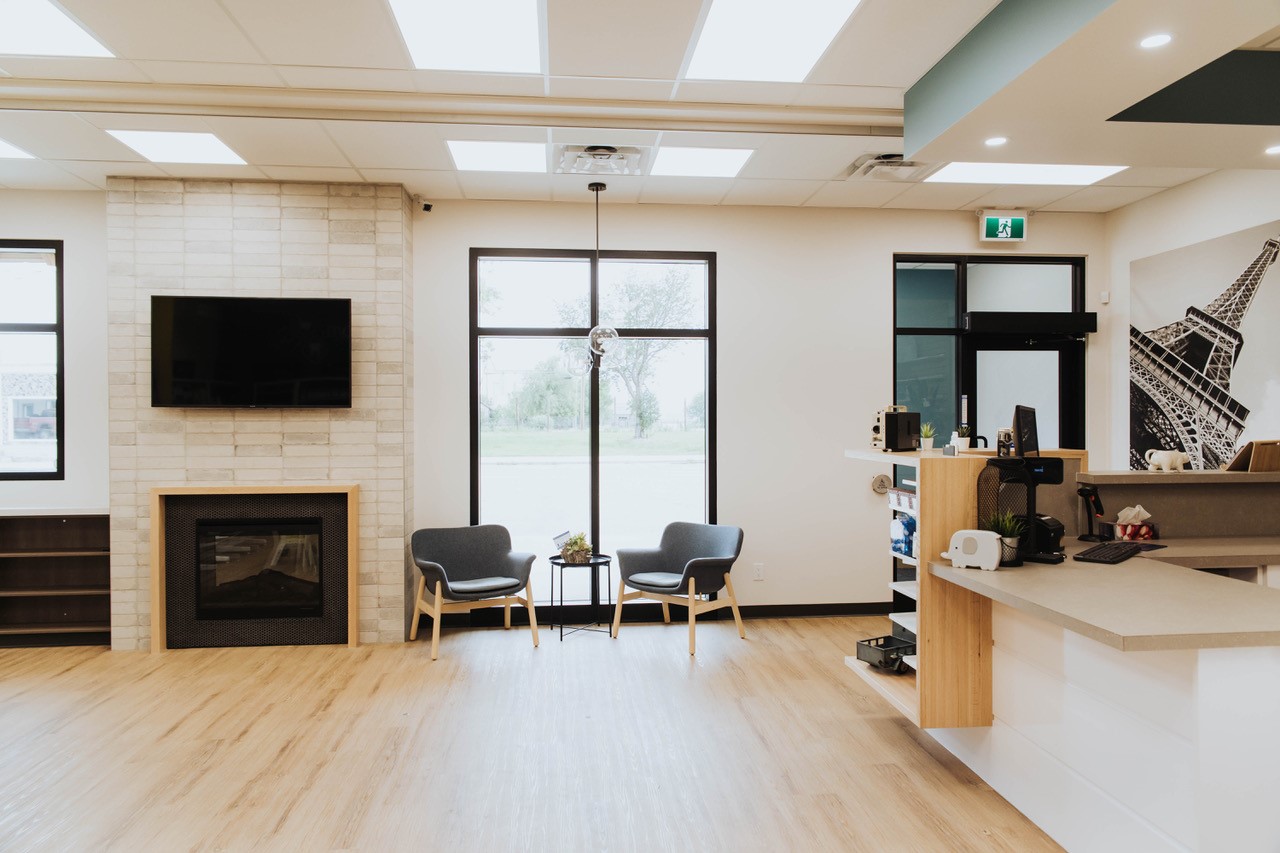
Think Beyond the Initial Order
Confirm how future orders, matching materials, and supplier communication will be handled throughout the project.
Availability
Verify stock status and realistic lead times.
Visual Consistency
Confirm color, style, and format matching expectations.
Project Support
Clarify warranty contacts and supplier responsiveness.
| Factor to compare | What to verify | Why it matters |
|---|---|---|
| Current availability | Stock, quantities, and estimated lead times | Supports the construction schedule |
| Future consistency | Color, format, and replacement options | Matters for phased projects and unit turnover |
| Warranty support | Coverage, claims process, and contacts | Clarifies post-installation assistance |
| Supplier responsiveness | Contacts, communication, and escalation process | Helps coordinate purchasing and project changes |
It’s About Total Value
Comparing flooring prices for a multifamily project involves more than finding the lowest price per square foot. Product durability, installation, maintenance, technical performance, and project support all contribute to the overall investment.
Evaluating these factors together creates a more meaningful comparison. Flooring that balances performance, practicality, and cost is better positioned to meet the property’s requirements over time.
At Surface Edge, we understand that every project brings its own specifications and challenges. Looking beyond the price tag can help project teams make more informed flooring decisions.
Compare More Than the Price Tag
Planning flooring for a multifamily development? Talk with Surface Edge about product options, technical documentation, installation considerations, and long-term project needs.
Discuss Your Flooring Project
